
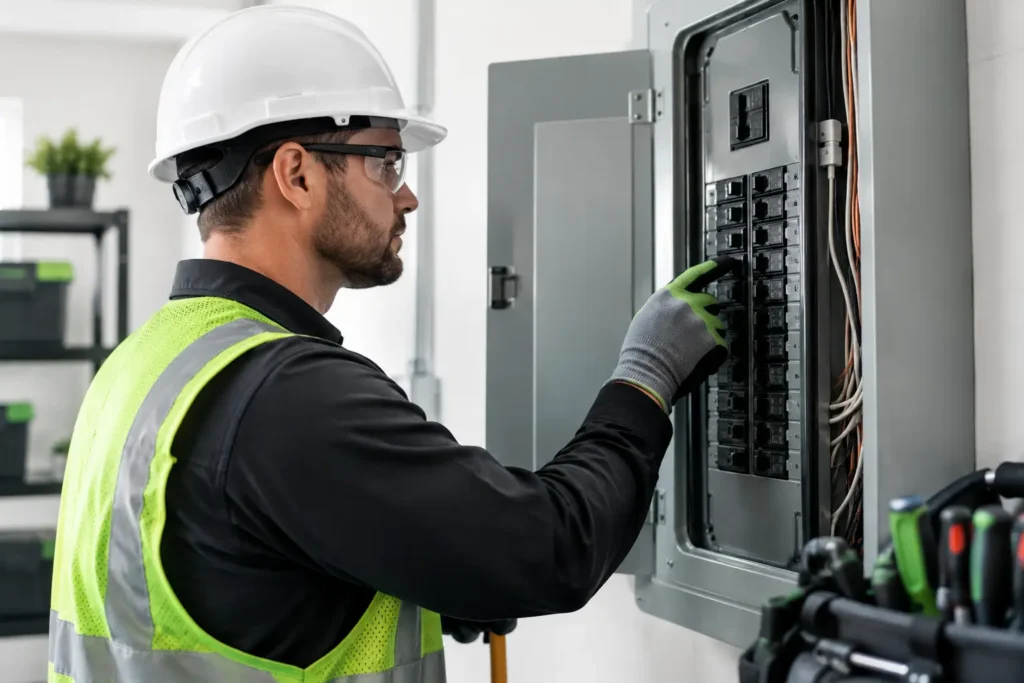
A panel that trips repeatedly after a basement flood, smells hot after a power surge, or cannot support a new kitchen is not a minor inconvenience. It may be signaling a safety issue or a capacity problem that needs prompt professional attention. An electrical panel upgrade can restore dependable power, support reconstruction, and help protect the property as repairs and improvements move forward.
For homeowners and property managers, the timing often matters as much as the work itself. Electrical concerns may emerge during water mitigation, fire restoration, storm repairs, a service-panel inspection, or a planned renovation. The right response is not to remove covers, reset breakers repeatedly, or add more extension cords. It is to have a qualified, licensed electrical professional assess the system, document visible conditions, and recommend a code-conscious path forward.
When an Electrical Panel Upgrade Is the Right Move
The electrical panel, sometimes called a breaker box or service panel, distributes power from the utility service to circuits throughout the building. Breakers are designed to shut off power when a circuit is overloaded or fault conditions occur. A breaker that trips once because too many high-demand appliances are operating may not mean the panel has failed. Frequent tripping, however, deserves investigation.
An upgrade may be appropriate when the existing panel has insufficient capacity for the property’s current or planned electrical demand. Older homes were not built for the number of appliances, electronics, HVAC components, charging equipment, and kitchen loads common today. A renovation can also change the calculation. Adding a finished basement, bathroom, laundry room, electric range, heat pump, or workshop may require additional circuits and, in some cases, a larger service.
Damage-related restoration creates another clear reason to inspect the system. Water can affect panel components, breakers, wiring connections, and nearby equipment. Fire and smoke can leave corrosive residues, heat damage, or compromised insulation even when the panel appears intact from the outside. Wind-driven rain entering through a damaged roof, siding failure, or flooding can create electrical risks that should be evaluated before normal use resumes.
A professional assessment may identify a repair rather than a full replacement. The correct scope depends on the panel’s condition, available capacity, the service equipment, the age and configuration of the building, local code requirements, and the results of a load calculation. Replacing a panel without addressing a damaged service entrance, unsafe wiring, or inadequate circuits does not solve the underlying issue.
Warning Signs That Should Not Be Ignored
Electrical issues are not always dramatic. They often begin as small interruptions that become more frequent as demand increases or components deteriorate. Call for a professional evaluation if you notice breakers tripping regularly, lights dimming when major appliances start, outlets that feel warm, buzzing at the panel, discoloration around breakers, or a burning odor.
The following situations also warrant prompt attention:
- Water has reached the panel, electrical outlets, wiring, or connected equipment.
- Fire, smoke, or excessive heat occurred near electrical components.
- The panel has visible corrosion, physical damage, missing covers, or signs of overheating.
- A renovation requires new dedicated circuits or high-demand equipment.
- The property still relies on an outdated fuse panel or a panel that lacks adequate breaker space.
Do not assume a breaker can simply be replaced with a larger one to stop nuisance trips. Oversizing a breaker can create a serious hazard if the wiring is not rated for that load. A licensed electrician should determine why the circuit is tripping and whether the solution involves load management, circuit repair, new wiring, additional circuits, or a panel upgrade.
What the Upgrade Process Should Include
A well-managed electrical project starts with inspection and planning, not with a one-size-fits-all panel replacement. The electrician should review the current electrical service, panel condition, grounding and bonding, circuit layout, signs of prior alterations, and anticipated loads. This assessment helps determine whether the project calls for a replacement panel, a subpanel, a service upgrade, rewiring in selected areas, or a combination of these measures.
Load calculations are especially important during major reconstruction and remodeling. They estimate the building’s expected electrical demand based on equipment and usage categories. A property adding central air conditioning, electric heat, an induction range, a hot tub, vehicle charging, or a finished addition may need more capacity than the existing service can safely provide. Conversely, not every remodel requires a larger main service. The findings should drive the recommendation.
Permits and inspections are part of the process in many jurisdictions. They help verify that the work meets applicable electrical requirements and that safety-critical details are addressed. Depending on the project, coordination with the utility may also be necessary if service equipment must be changed or power needs to be disconnected. A contractor should explain the expected sequence, potential service interruption, and any access needed before work begins.
Once the scope is approved, the work may include installing a properly sized panel, labeling circuits clearly, replacing damaged breakers, adding required protective devices, updating grounding and bonding, and creating dedicated circuits for specific equipment. Clean labeling is not merely an organizational detail. It helps homeowners, maintenance teams, emergency responders, and future contractors identify circuits quickly and avoid unnecessary disruption.
Electrical Work After Water, Fire, or Storm Damage
After a loss event, electrical safety must be part of the recovery plan from the beginning. If water has contacted electrical equipment, avoid touching the panel, outlets, appliances, or wiring in affected areas until a qualified professional has evaluated conditions. If there is active sparking, a burning smell, visible damage, or concern that the building is unsafe, leave the area and contact emergency services and the appropriate utility provider as needed.
For restoration projects, documentation matters. Photos, moisture findings, damage observations, itemized scopes, and professional recommendations can help establish what was affected and what work is necessary to return the property to a safe, functional condition. Insurance coverage decisions depend on the policy, cause of loss, scope of damage, and carrier review. A contractor should provide accurate project documentation and communicate clearly with the property owner and involved claim professionals without promising coverage.
Electrical repairs should also be coordinated with drying, demolition, insulation, drywall, cabinetry, flooring, and painting. Reclosing walls before damaged wiring is assessed or new circuits are installed can create avoidable rework. On a complex reconstruction, having one organized team coordinate the trades helps protect the schedule and keeps the work aligned with the approved repair plan.
Planning an Upgrade During a Renovation
A renovation is often the most efficient time to address panel capacity because walls may already be open and electrical access is easier. Kitchen and bathroom remodels commonly increase electrical needs through lighting, countertop receptacles, ventilation, disposal units, dishwashers, appliances, and other dedicated loads. Basement finishing, home offices, and additions can have similar effects.
Think beyond the immediate project. If you expect to add major equipment within the next few years, mention it during planning. Reserving panel space or designing for future circuits can be more practical than reopening finished areas later. At the same time, avoid paying for capacity that does not match the building’s actual needs. A professional load calculation and clear project scope provide a sound basis for the decision.
For commercial properties, coordination is equally important. Tenant operations, equipment downtime, emergency lighting, access control, and business hours can affect how electrical work is phased. Property managers benefit from a plan that identifies shutdown windows, protects occupied areas, documents completed work, and communicates expectations to stakeholders.
Choose a Contractor Who Can Coordinate the Full Recovery
Electrical work is specialized and should be performed by properly licensed professionals. In a restoration setting, it also needs to fit within the larger recovery effort. Apollo Construction & Renovation Corp. coordinates electrical repairs and upgrades alongside mitigation, reconstruction, roofing, drywall, insulation, HVAC, plumbing, and finish work, helping property owners avoid unnecessary gaps between trades.
For properties in Maryland, Northern Virginia, Washington DC, and Pennsylvania, a coordinated approach can be particularly valuable after a water, fire, or storm loss. The goal is to identify affected components early, maintain clear documentation, manage the repair sequence, and restore the property with attention to safety and workmanship.
If your breakers are tripping, your panel has been exposed to damage, or your renovation is outgrowing the existing system, schedule an evaluation before the issue becomes more disruptive. A clear electrical plan now can help protect the work you are rebuilding for years to come.
Every property and insurance policy is different. Contact Apollo to discuss the work your property may need; your insurer determines coverage.