
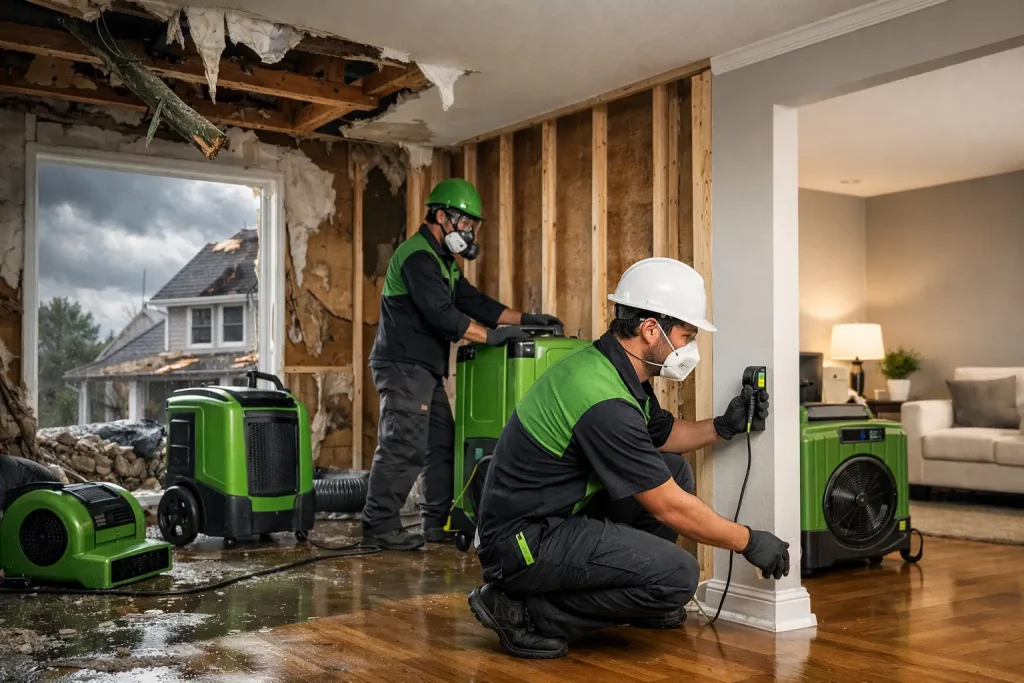
A storm can pass in 20 minutes and leave you dealing with roof leaks, wet drywall, damaged siding, fallen trees, and a long list of questions. One of the first is usually the same: does insurance cover storm damage? In many cases, yes – but coverage depends on what caused the damage, what your policy includes, and how quickly the loss is documented and reported.
That uncertainty is where many property owners get stuck. They can see the damage, but they are not sure what insurance considers a covered loss, what might be excluded, or what steps they need to take before conditions get worse.
Does insurance cover storm damage on your property?
Homeowners insurance often covers sudden and accidental storm-related damage. That usually includes damage from wind, hail, fallen trees, and rain entering the home after the building envelope has been damaged by a covered event. If high winds tear shingles off the roof and water enters the attic, that is often treated very differently than a long-term leak caused by an aging roof.
The key issue is not just that storm damage happened. It is whether the damage was direct, sudden, and tied to a covered peril under the policy. Commercial property policies follow a similar logic, although the language, deductibles, and exclusions can be more complex.
In practice, insurance may pay for repairs to roofing, siding, gutters, windows, interior finishes, insulation, and other affected building materials when storm forces are the clear cause. If emergency mitigation is needed to prevent further damage, that may also be covered, depending on the policy and the circumstances.
What storm damage is usually covered?
Coverage often starts with wind and hail because those are among the most common storm-related claims. If shingles are creased, lifted, or blown off during a wind event, or if hail impacts roofing, siding, skylights, or gutters, insurance may cover repair or replacement.
Fallen trees can also be covered when they damage an insured structure. If a tree lands on a house, detached garage, fence, or other covered structure during a storm, many policies help pay for the resulting building damage. Some policies may also provide limited coverage for tree removal when the tree blocks access or damages a covered area.
Water damage is more nuanced. Rain entering through storm-created openings is often covered. For example, if hail cracks a skylight or wind damages flashing and water enters immediately, that interior damage may be part of the claim. On the other hand, water entering due to wear and tear, deferred maintenance, or pre-existing deterioration is often disputed or denied.
Power surges caused by lightning can sometimes damage appliances, electronics, or building systems. Policies vary here, but this is another area where direct storm-related cause matters.
What is often not covered?
This is where expectations need to be realistic. Insurance is designed for sudden accidental losses, not every problem that shows up after bad weather.
Flooding from rising water is one of the biggest gaps. If water enters the property from outside ground level, such as overflow, surface runoff, or rising floodwaters, standard homeowners insurance typically does not cover it. That usually requires separate flood insurance.
Wear and tear is another common issue. If a roof was already near the end of its service life, brittle, poorly maintained, or leaking before the storm, the carrier may argue that the damage was not caused solely by the weather event. Insurance also commonly excludes rot, corrosion, mold from long-term moisture conditions, and repeated seepage.
Some policies also carry separate wind or hurricane deductibles in certain regions, and cosmetic damage may be treated differently from functional damage. A metal roof with visible hail marks but no reduction in performance may not be handled the same way as a roof with punctures or fractured components.
Why similar storm claims can have different outcomes
Two homes on the same street can experience the same storm and end up with very different claim results. That is not always because one carrier is right and the other is wrong. Often, it comes down to condition, documentation, and policy language.
The age and pre-loss condition of the building matter. A newer roof with documented maintenance and clear storm impact is easier to tie to a single weather event than an older roof with prior repairs, granule loss, and signs of long-term deterioration.
Documentation matters just as much. Photos of missing shingles, interior staining, damaged gutters, and fallen limbs help establish timeline and cause. Professional inspections can identify uplift, impact points, compromised flashing, moisture intrusion, and hidden damage that is not obvious from the ground.
Timing also affects outcomes. Waiting too long to report damage can complicate the claim. Carriers may question whether later damage was caused by the original storm or by delayed mitigation.
What to do right after storm damage
The first priority is safety. Stay clear of downed power lines, unstable trees, active leaks near electrical systems, and structural hazards. If water is entering the property, emergency tarping, board-up, and mitigation may be necessary to limit further damage.
Once conditions are safe, document everything. Take photos and video of exterior elevations, roofing if it can be viewed safely, gutters, windows, ceilings, walls, flooring, and any personal property affected. Capture wide shots and close-ups. If the damage worsens over the next day or two, document that too.
Then notify your insurance carrier promptly. Give a clear, factual description of what happened and when you noticed the damage. Avoid guessing about the full scope if you do not know yet.
This is also the point where a qualified restoration and roofing contractor can make a major difference. A thorough inspection can help identify storm-related damage, emergency stabilization needs, and the full extent of repair requirements before hidden issues spread.
Does insurance cover storm damage if the roof is old?
Sometimes, but age changes the conversation. An older roof is not automatically excluded from coverage. If a storm clearly caused sudden damage, the carrier may still owe for covered repairs. However, older materials are more likely to raise questions about prior condition, repairability, depreciation, and actual cash value versus replacement cost.
Some policies reduce payout on older roofs or settle claims based on depreciated value. Others may cover replacement cost only if certain policy conditions are met. That means two homeowners with similar damage may receive very different payments.
This is why accurate inspection findings and clear photo documentation are so important. The issue is not simply whether the roof is old. The issue is whether the storm caused covered damage that impaired the roofing system.
The role of mitigation and why it matters to your claim
Property owners have a responsibility to prevent avoidable secondary damage after a loss. That does not mean performing unsafe repairs yourself. It means taking reasonable steps to protect the property, such as placing a tarp over exposed roof areas, extracting water, removing saturated materials when necessary, and drying affected spaces properly.
This matters because insurance carriers may question damage that expands after the initial event if no mitigation took place. A small roof breach can quickly become ceiling collapse, insulation saturation, microbial growth, and flooring damage. Fast action protects the property and strengthens the claim record.
For homeowners and property managers, this is where working with an experienced restoration contractor can relieve a lot of pressure. Apollo Construction & Renovation Corp. regularly helps clients document loss conditions, stabilize damaged areas, and move from emergency response into full reconstruction in an organized way.
Common claim issues to watch for
Storm claims are rarely just about whether damage exists. They often turn on scope. An adjuster may identify a limited repair, while the contractor inspection finds broader roofing, siding, flashing, underlayment, or interior moisture issues. That gap can affect both budget and timeline.
There can also be questions about matching materials, code upgrades, and hidden damage behind walls or above ceilings. Some costs are clearly covered under one policy and limited under another. That is why line-by-line review and strong documentation are often necessary during the restoration process.
The goal is not to inflate the claim. It is to make sure the storm-related scope is fully identified so the property is restored correctly and safely.
How to put yourself in the best position
If you are asking does insurance cover storm damage, the most practical answer is this: it often does when the loss is sudden, documented, and tied to a covered peril. But good outcomes depend on what you do next.
Report the loss promptly, protect the property from further damage, save photos and receipts, and get a professional inspection from a contractor who understands both restoration work and insurance documentation. Waiting, guessing, or relying only on what is visible from the ground can make a difficult situation harder.
Storm recovery moves faster when the damage is identified early and handled with a clear plan. The right support can help you protect the structure, support the claim process, and get repairs moving before a temporary problem becomes a much larger one.
When a storm hits, clarity matters almost as much as speed. The sooner you understand what the damage is, how it happened, and what your policy may respond to, the easier it becomes to make confident decisions for your property.
Every property and insurance policy is different. Contact Apollo to discuss the work your property may need; your insurer determines coverage.