
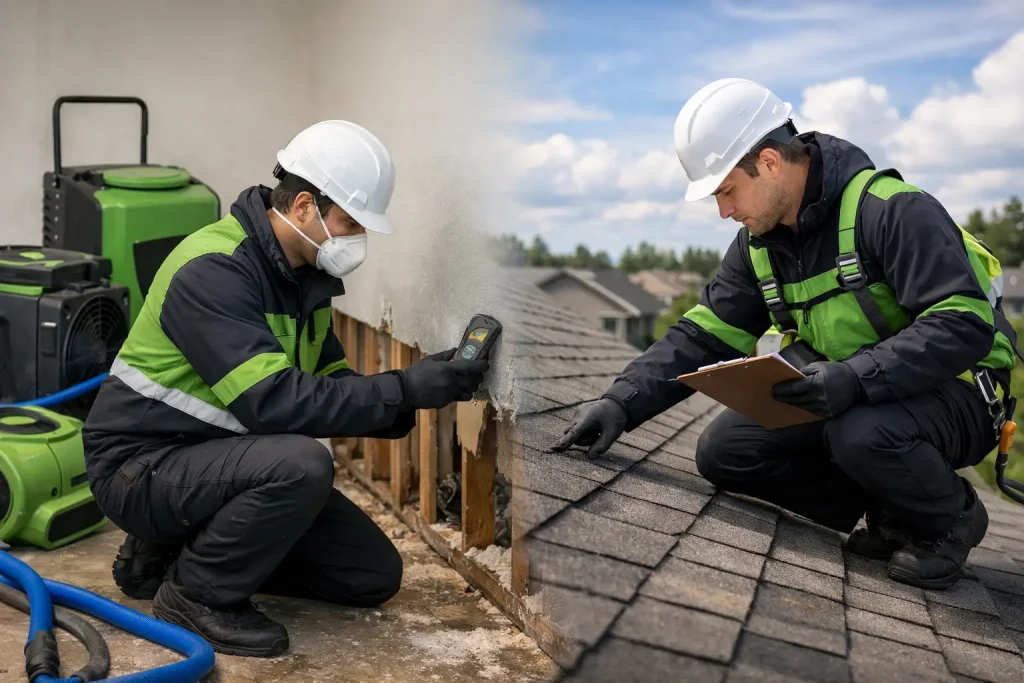
A roof can look fine from the ground and still have enough damage to create leaks, shorten its lifespan, or complicate an insurance claim. That is where a HAAG certified roof inspector brings real value. When storm damage, suspected hail impact, wind loss, or a disputed roof condition is involved, the quality of the inspection often shapes what happens next.
For homeowners, property managers, and commercial owners, that matters more than most people realize. A rushed inspection can miss fractured shingles, lifted tabs, flashing failure, or mechanical damage that gets mistaken for storm damage. A qualified inspection does the opposite. It gives you a clear picture of what happened, what did not happen, and what the roof needs now.
What a HAAG certified roof inspector actually does
A HAAG certified roof inspector is trained to evaluate roof damage using established inspection methods, damage identification standards, and roof system knowledge. HAAG training is widely recognized in the insurance and restoration industries because it focuses on how roofs perform, how they fail, and how to distinguish storm-related damage from age, wear, installation defects, foot traffic, and other non-covered conditions.
That distinction is critical. Not every broken shingle is wind damage. Not every circular mark is hail damage. In some cases, a roof has multiple issues at once, and separating them accurately is the only way to move a project forward without confusion.
A proper inspection usually includes an exterior evaluation of roofing materials, slopes, ridges, hips, valleys, vents, flashing, gutters, and other related components. Depending on the situation, it may also involve attic observations, interior water intrusion evidence, photo documentation, and measurements. When the roof has been affected by a storm event, the inspector is looking for a damage pattern, not just isolated defects.
Why this certification matters in storm and insurance work
In routine roofing projects, experience alone can go a long way. In storm-related losses, experience still matters, but documentation and defensible findings matter just as much. Insurance carriers, adjusters, property owners, and contractors often review the same roof with different assumptions. That is where a HAAG certified roof inspector can help bring clarity.
The value is not just in finding damage. It is in identifying the cause of damage and supporting that conclusion with methodical documentation. If shingles are creased from wind uplift, that should be documented differently than brittle cracking from age. If hail has impacted soft metals but not the field shingles, that tells a different story than widespread functional shingle damage. These details affect repair scope, claim discussions, and whether partial repair or full replacement is appropriate.
This does not mean certification guarantees a specific claim outcome. It means the inspection is more likely to be thorough, technically sound, and useful when questions arise. In high-stress situations, that can save time and reduce disputes.
When you should call a HAAG certified roof inspector
The most obvious time is after a major wind or hail storm, especially if you see missing shingles, granules in downspouts, water staining, or visible debris impact. But there are other situations where this level of inspection is worth it.
If your insurance carrier has raised questions about causation, if a previous inspection felt incomplete, or if you manage a commercial property with multiple roof areas and complex drainage details, a more technical inspection can be the right next step. The same is true during real estate transactions when roof condition could affect negotiations, reserves, or repair planning.
Timing matters too. Waiting too long can make it harder to separate fresh storm-related damage from ongoing deterioration. On the other hand, calling for an inspection after every small weather event is not always necessary. The right decision depends on the age of the roof, the severity of the storm, whether leaks are present, and how much exposure the property has had.
What happens during the inspection process
A strong inspection starts before anyone gets on the roof. The inspector should gather background on the property, roof age if known, prior repairs, leak history, and the reported date of loss. That context helps frame what the roof is expected to show.
From there, the inspection itself should be systematic. The goal is not to confirm a theory as quickly as possible. The goal is to evaluate the roof carefully and document findings that can stand up to review. That often includes close-up photos, overview photos, notation of damage directionality, testing of shingle flexibility where appropriate, and review of related components such as vents, flashing, siding, gutters, and soft metals.
Interior conditions may also matter. Ceiling stains, attic moisture patterns, wet insulation, and ventilation deficiencies can all affect the interpretation of roof performance. A leak does not always start where the stain appears, and not every leak is caused by a storm. Good inspectors understand that roofs are systems, not just surfaces.
What a HAAG certified roof inspector looks for
Storm damage versus wear and tear
One of the biggest reasons property owners request this type of inspection is to answer a basic but important question: is the roof damaged by a covered event, or is it simply old and failing? That answer is not always obvious.
Wind damage may show up as creased or displaced shingles, broken seals, missing tabs, or damage concentrated on slopes exposed to prevailing wind direction. Hail damage can appear differently depending on roofing material, age, and impact size. On asphalt shingles, the inspector is looking for signs of functional damage, not just cosmetic marking.
At the same time, roofs can show blistering, thermal cracking, manufacturing defects, foot traffic damage, mechanical damage from other trades, and long-term granule loss unrelated to a recent storm. A careful inspection separates those conditions instead of lumping them together.
Repairability and scope
Finding damage is only part of the job. The next question is whether the damage can be repaired properly or whether replacement is the better path. That depends on material availability, code requirements, roof age, brittleness, matching issues, and the extent of damage across the system.
This is where practical construction knowledge matters. A technically accurate inspection is useful, but the property owner also needs a realistic understanding of what repairs will involve, how quickly the roof should be addressed, and what risks come with delay.
Why property owners should not rely on guesswork
Roof damage is easy to underestimate. Minor uplift can break the seal strip and create future blow-off risk even if the shingle lies flat after the storm. Small punctures around penetrations can allow slow water intrusion that is not visible indoors for weeks. On commercial buildings, drainage issues can magnify small roof failures into larger interior losses.
Guesswork creates two common problems. The first is underreacting and allowing preventable damage to spread. The second is overreacting based on incomplete information and making expensive decisions too early. A qualified inspection helps avoid both.
For insurance-related losses, accurate documentation also protects the property owner. Photos, measurements, moisture evidence, and clearly stated observations create a stronger record than verbal impressions alone. That record can support repair planning and claim communication without exaggeration or confusion.
Choosing the right inspection partner
Not every roof inspector brings the same level of field experience, storm knowledge, or documentation discipline. Certification is a strong signal, but it should be paired with real construction and restoration experience. A roof does not exist in isolation from the rest of the building, especially when water intrusion, insulation damage, drywall damage, or mold concerns are already in play.
That is why many owners prefer a contractor who understands both the inspection side and the repair side. When the same team can evaluate the roof, document conditions, identify related damage, and explain the next phase clearly, the process becomes more organized and less stressful.
For properties in Maryland, Northern Virginia, Washington DC, Delaware, and Pennsylvania, this can be especially important after regional wind, hail, and heavy rain events that affect entire neighborhoods or commercial portfolios at once. Fast response helps, but accuracy matters just as much.
A roof inspection should do more than confirm that something looks wrong. It should give you a dependable basis for action. When the stakes include active leaks, tenant concerns, business interruption, or an insurance claim, a HAAG certified roof inspector can provide the level of evaluation needed to protect the property and move the project forward with confidence.
If you suspect roof damage, do not wait for a ceiling stain to make the decision for you. The right inspection early on can keep a manageable roofing issue from turning into a much larger restoration project.
Every property and insurance policy is different. Contact Apollo to discuss the work your property may need; your insurer determines coverage.