
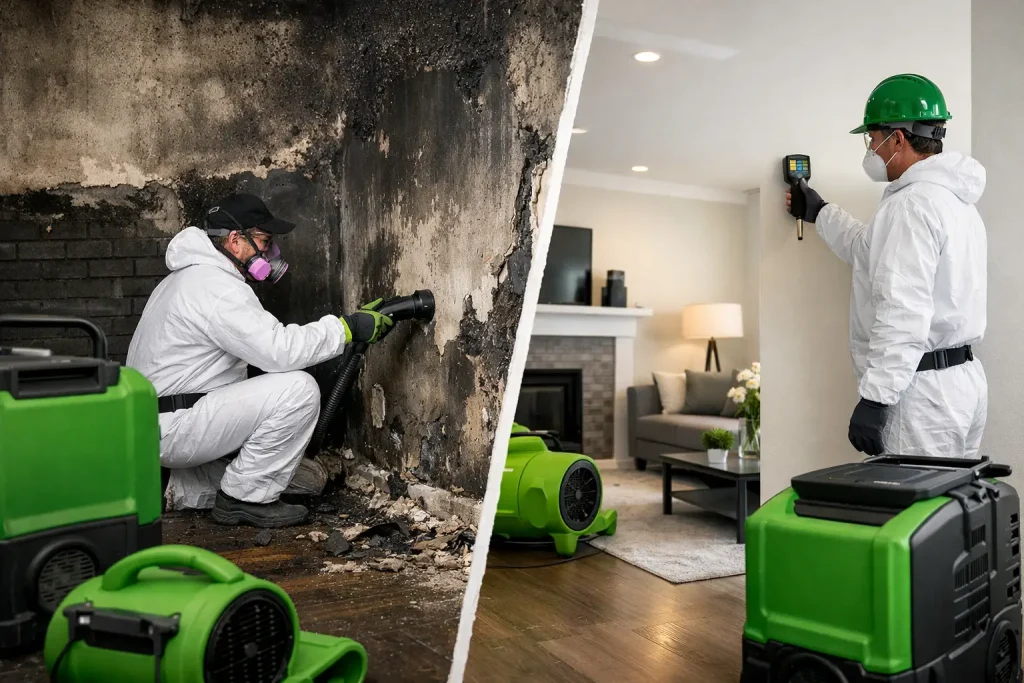
When the fire is out, the damage is not over. Smoke can move far beyond the room where the incident started, settling into drywall, insulation, HVAC systems, cabinets, fabrics, and framing. That is why smoke damage cleanup for house conditions needs to begin quickly and in the right order. A rushed surface wipe-down can spread soot, lock in odors, and make restoration more difficult.
Why smoke damage cleanup for house issues is different from basic cleaning
Smoke residue is not ordinary dirt. It can be dry and powdery, greasy and sticky, or nearly invisible while still carrying strong odor particles. The type of material that burned matters. Smoke from wood, plastics, appliances, wiring, or kitchen grease behaves differently, and each leaves behind residue that reacts differently to cleaning products and methods.
That is where many property owners run into trouble. What looks like a simple cleanup job may actually involve acidic soot on painted surfaces, staining on ceilings, contamination inside ductwork, and odor penetration in porous materials. If those conditions are not addressed correctly, discoloration can return and the smell can linger long after the visible debris is gone.
A professional restoration plan also looks beyond the obvious. Fire suppression water, high humidity, and damaged building materials often create secondary issues that need attention at the same time. In real losses, smoke cleanup, deodorization, demolition, drying, and reconstruction are often connected.
What to do first after smoke damage
The first priority is safety. If the property has not been cleared for re-entry, do not go back inside. Structural concerns, electrical hazards, and airborne contaminants can remain even after a small fire. Once access is safe, limit movement through affected areas as much as possible. Foot traffic can grind soot into carpet and spread residue to clean rooms.
If it is safe to do so, turn off the HVAC system. Smoke particles travel through air returns and ducts quickly, and running the system can spread odor and residue through the rest of the house. Avoid using household fans unless a restoration professional advises otherwise. Air movement at the wrong stage can push contaminants deeper into materials.
It also helps to document the damage early. Clear photos of affected rooms, contents, ceilings, walls, and mechanical systems can support the insurance process and help establish the full scope of restoration. This is especially important when smoke traveled beyond the burn area and the damage is not immediately obvious.
What professional smoke cleanup usually includes
A proper smoke restoration project starts with inspection and damage mapping. Technicians identify the type of smoke residue, the level of spread, the materials affected, and whether demolition is needed. This step drives the cleaning method. There is no single approach that works for every fire loss.
Soot and residue removal
Dry soot often requires specialized vacuuming and dry-cleaning sponges before any wet cleaning begins. Greasy or protein-based residue may need targeted chemical treatment and repeated cleaning passes. If the wrong product is used too early, soot can smear across walls, cabinets, and trim and become harder to remove.
Ceilings, framing, insulation edges, light fixtures, windows, and HVAC registers all need close attention. In many homes, the heaviest staining appears in places owners do not think to inspect right away, such as inside closets, on the tops of doors, or in attic-adjacent areas where smoke collected.
Odor removal
Smoke odor is one of the most persistent parts of the loss. Deodorizing a house is not the same as masking the smell. Sprays and air fresheners may temporarily cover it, but they do not remove the particles embedded in porous materials.
True odor removal may involve source removal, deep cleaning, HEPA air filtration, thermal fogging, hydroxyl treatment, or other professional deodorization methods based on the structure and severity of loss. Sometimes materials such as insulation, carpet pad, or heavily affected drywall need to be removed because the odor has penetrated too deeply. That is a judgment call based on testing, experience, and the condition of the building.
HVAC cleaning and filtration
If smoke entered the HVAC system, cleanup is incomplete without evaluating the ductwork and mechanical components. Soot inside returns, supply lines, and blower compartments can keep recirculating contamination. In some cases, replacing filters is not enough. The system may need professional cleaning and component inspection before it is safe to operate normally.
Cleaning salvageable contents
Furniture, clothing, electronics, window treatments, and personal belongings often need separate treatment. Some items can be restored successfully. Others may not be economical or safe to salvage. Electronics are a good example. Even when they appear fine, corrosive residue can affect performance over time. A careful assessment matters.
The parts of smoke damage most homeowners do not see
Visible soot is only part of the story. Smoke can travel behind walls, into insulation cavities, above suspended ceilings, and through shared chases around plumbing or electrical runs. It also settles on cool surfaces and can cling to textured materials long after the air seems clear.
That hidden spread is one reason small fires can lead to larger restoration scopes than expected. A kitchen flare-up may affect adjoining rooms, hallways, and upper floors. An appliance fire can send fine residue through the ventilation system. A garage fire can impact living areas through shared framing and attic pathways.
This does not mean every smoke event requires major tear-out. It means the scope should be based on inspection, not assumptions. Some homes need focused cleaning and deodorization. Others require demolition, sealing, reconstruction, and systems work to fully resolve the loss.
Why DIY smoke cleanup often falls short
Property owners understandably want to act fast, but smoke cleanup has limits as a do-it-yourself project. Wiping walls with the wrong cleaner can set stains. Shampooing a soot-covered carpet can drive residue deeper into fibers. Repainting before proper cleaning and sealing can trap odor and cause discoloration to bleed through.
There is also the safety side. Disturbing contaminated materials without proper protection can increase exposure to fine particles and residue. If the fire involved wiring, appliances, plastics, or synthetic materials, the cleanup process should be handled with added caution.
Simple actions like protecting unaffected rooms, avoiding contact transfer, and documenting loss conditions are helpful. Full restoration, however, usually calls for specialized equipment, cleaning chemistry, containment practices, and construction experience. That is especially true when smoke damage is paired with water damage, damaged insulation, or partial reconstruction needs.
How insurance and documentation affect the cleanup process
Smoke losses often move faster and more smoothly when documentation starts early. Photographs, room-by-room notes, moisture readings where applicable, and clear records of affected materials help establish the extent of damage. For insurance-related restoration, organized reporting can make a major difference in scope review and claim communication.
That is one reason many owners prefer a contractor who understands both restoration and reconstruction. Smoke cleanup may begin with emergency response, but the project can quickly expand into insulation replacement, drywall repairs, painting, flooring, HVAC work, and contents handling. When one team can manage mitigation, documentation, and repairs together, the process is usually more efficient and less stressful.
Companies like Apollo Construction & Renovation Corp. are often brought in for exactly that reason – not just to clean visible smoke damage, but to manage the property recovery process from initial assessment through final repairs.
Choosing the right response for your house
The right plan depends on the size of the fire, the materials involved, how long the smoke sat before cleanup, and how far the residue traveled. A contained stovetop incident may need targeted cleaning and odor treatment. A larger structural fire may involve emergency board-up, debris removal, contents pack-out, environmental controls, demolition, and full reconstruction.
What matters most is acting quickly and getting the scope right. Smoke damage does not improve with time. Odors settle deeper, residue becomes harder to remove, and delayed action can increase both restoration costs and material loss.
If your house has been affected by smoke, treat it as a restoration issue, not just a housekeeping problem. The best results come from a response that protects the structure, addresses hidden contamination, and restores the home in a way that is safe, thorough, and built to last.
The sooner the cleanup is handled correctly, the sooner your house can start feeling like home again.
Every property and insurance policy is different. Contact Apollo to discuss the work your property may need; your insurer determines coverage.