
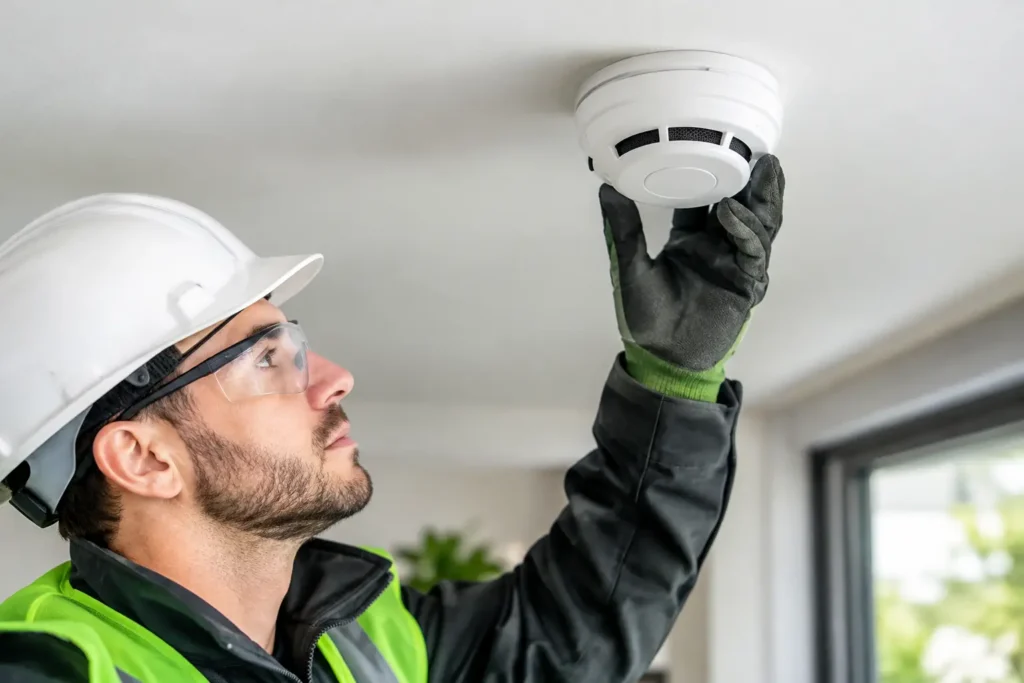
A smoke alarm that chirps once a minute may feel like a minor nuisance. In a home, apartment building, office, or rental property, it can also be a warning that the life-safety system is no longer ready to perform as intended. Electrical smoke detector and combination safety starts with treating every alarm issue as a priority, especially after a fire, water loss, roof leak, storm event, or renovation project.
Hardwired alarms, battery-powered alarms, and smoke-carbon monoxide combination units all have a role in protecting occupants. The right system depends on the building layout, local requirements, the age of the property, and whether existing alarms are interconnected. What matters most is that alarms are correctly located, continuously powered, maintained, and replaced at the end of their service life.
Why Electrical Smoke Detector and Combination Safety Matters
An electrical smoke detector, commonly called a hardwired smoke alarm, receives household power through the building’s electrical system. Most current models also include a backup battery. That backup is not optional in practical terms: a power outage can occur during the same storm, fire, or emergency that creates the need for an alarm.
In an interconnected system, one activated alarm signals the others to sound. This is particularly valuable in larger homes, multi-level properties, and commercial spaces where a fire may begin far from sleeping areas or from the people who need to evacuate. The extra warning time can make a meaningful difference.
Combination alarms add carbon monoxide detection to the unit. Carbon monoxide is colorless and odorless, and it may be produced by malfunctioning fuel-burning appliances, fireplaces, furnaces, generators used improperly, or vehicle exhaust entering an enclosed area. A combination device can reduce the number of separate units to maintain, but it must be selected and placed for both hazards. One device in one location does not automatically protect an entire property.
Smoke Alarms, Heat Alarms, and Combination Units Are Not Interchangeable
Property owners often use the terms detector and alarm interchangeably. In everyday conversation, that is understandable. For safety planning, however, it helps to know what each device is intended to do.
Smoke alarms are designed to alert occupants to smoke from a developing fire. Many residential units use photoelectric sensing, ionization sensing, or both. Photoelectric alarms are generally responsive to smoldering fires that can produce significant smoke before open flames are visible. Ionization alarms may respond quickly to certain fast-flaming fires. Dual-sensor models incorporate both methods. Requirements and recommendations can vary, so a qualified electrician or fire-safety professional can help determine the right equipment for the property.
Heat alarms respond to high temperatures or a rapid rise in temperature. They are often considered for garages, utility areas, or other locations where smoke alarms may generate frequent nuisance activations. They are not a substitute for smoke alarms in required living and sleeping areas.
Smoke and carbon monoxide combination alarms can be a practical choice in appropriate locations. Still, carbon monoxide coverage should be planned independently of smoke coverage. A property with bedrooms on multiple floors, attached garages, fireplaces, or fuel-burning equipment may need more than one unit to provide effective warning.
Proper Placement Is More Important Than Convenience
An alarm installed in the wrong place can be almost as problematic as no alarm at all. Devices placed too close to cooking appliances may trigger repeatedly from normal cooking activity. When occupants become accustomed to nuisance alarms, they may disable the unit or remove the battery, creating a serious hazard.
At the same time, placing alarms only in hallways or only on the first floor can leave sleeping occupants without adequate warning. Modern residential requirements commonly call for alarms inside sleeping rooms, outside sleeping areas, and on every level of the home, including basements. Local building codes, occupancy type, and the scope of a renovation can affect what is required.
For commercial properties, alarm placement may involve a larger fire alarm system, monitoring requirements, sprinkler coordination, occupancy rules, and accessibility considerations. Property managers should not assume that a residential-style alarm strategy is sufficient for a commercial suite, multifamily building, or common area.
Avoid placing smoke alarms where airflow, steam, dust, or fumes can interfere with operation. Bathrooms, kitchens, unconditioned attics, and areas near supply vents may require special consideration. Follow the device manufacturer’s instructions and have a qualified professional evaluate conditions when a location is uncertain.
What Interconnected Hardwired Alarms Do Well
Hardwired, interconnected alarms are often a strong option during reconstruction, additions, or major renovation because walls and ceilings may already be open. Installing or updating wiring at that stage can be more efficient than revisiting finished surfaces later.
These systems provide consistent electrical power and allow alarms throughout the property to communicate. If smoke is detected in a basement, the alarms near upstairs bedrooms can sound as well. Newer systems may also offer wireless interconnection where running new wiring is impractical, but compatibility matters. Mixing devices that are not approved to work together can cause unreliable operation.
Hardwired does not mean maintenance-free. Backup batteries still require attention, sensors age, and dust or insects can affect performance. An alarm that sounds without an obvious emergency, fails a test, chirps repeatedly after a battery change, or behaves differently after electrical work should be evaluated promptly. Do not silence a recurring problem by disconnecting a device or shutting off the circuit.
Maintenance That Protects People and Property
Regular testing and basic cleaning are simple but essential. Use the unit’s test button according to the manufacturer’s instructions and confirm that interconnected units respond where applicable. Replace batteries when required by the manufacturer, including in hardwired models with backup power. Never paint over an alarm, cover it during a project without restoring it immediately afterward, or ignore a persistent chirp.
Most smoke and carbon monoxide alarms have a limited service life, often around 10 years, although the date on the specific unit controls. Check the manufacturing date on the back of each device rather than relying on memory. Replacing alarms on schedule is especially important in rental properties and managed communities, where a clear maintenance record supports consistent safety practices.
During remodeling, drywall dust, sanding debris, paint vapors, and construction traffic can contaminate alarms or produce nuisance activations. Contractors should protect devices only as directed and ensure they are uncovered, tested, and operational at the end of each workday when occupants are present. If alarms must be temporarily taken out of service for authorized work, the project team should use an appropriate safety plan and restore protection as soon as possible.
After Fire, Smoke, Water, or Storm Damage
Alarms deserve special attention after a property loss. Smoke residue can enter device openings and affect sensors. Water from firefighting efforts, plumbing leaks, roof failures, or flooding can damage electrical connections and backup compartments. Even when an alarm appears normal, contamination or corrosion may reduce reliability.
After a fire or smoke event, do not assume the alarm system is ready simply because the sound has stopped. A qualified professional should inspect affected electrical components and determine whether alarms, wiring, junction boxes, or interconnected controls require replacement. The same approach applies after significant water intrusion, particularly when ceiling-mounted devices, electrical circuits, or attic wiring were exposed.
This assessment should be part of the broader restoration plan. Documenting affected building materials and systems helps property owners make informed repair decisions and supports clear communication during an insurance claim. Apollo Construction & Renovation Corp. can coordinate fire and smoke restoration, electrical repairs, reconstruction, and project documentation so safety-related repairs are not overlooked while the property is being restored.
When to Call a Professional Immediately
Call emergency services if a smoke or carbon monoxide alarm sounds and there may be a fire, smoke condition, or carbon monoxide hazard. Evacuate first. Do not spend time investigating the source, opening walls, or resetting equipment when occupants may be at risk.
For non-emergency concerns, arrange professional service when alarms repeatedly activate without a known cause, multiple hardwired units stop communicating, a circuit issue affects alarm power, alarms were exposed to water or smoke, or a renovation changes room layouts. A licensed electrician can evaluate the electrical system, while a restoration contractor can address damage, contamination, and reconstruction needs together.
A working alarm system is not a detail to postpone until the next renovation or maintenance cycle. If your property has experienced damage or your alarms are showing signs of failure, address the concern now and make sure the people inside have dependable warning when it matters most.
Every property and insurance policy is different. Contact Apollo to discuss the work your property may need; your insurer determines coverage.