The smell usually hits first. Even after the fire is out, smoke can keep moving through drywall, insulation, HVAC systems, cabinets, and soft contents long after the visible damage is gone. A reliable smoke damage cleanup checklist helps you take the right first steps, protect your health and property, and avoid making the damage worse.
Smoke cleanup is not just about wiping down black residue. Different fires leave different types of soot, and each behaves differently on surfaces. Dry soot from a fast-burning fire can spread easily and smear with the wrong cleaning method. Wet soot from a slow, low-oxygen fire is stickier and more corrosive. Protein residue from kitchen fires can be nearly invisible but leave a strong odor that settles deep into finishes and fabrics. That is why the first phase of response matters so much.
Smoke damage cleanup checklist: what to do first
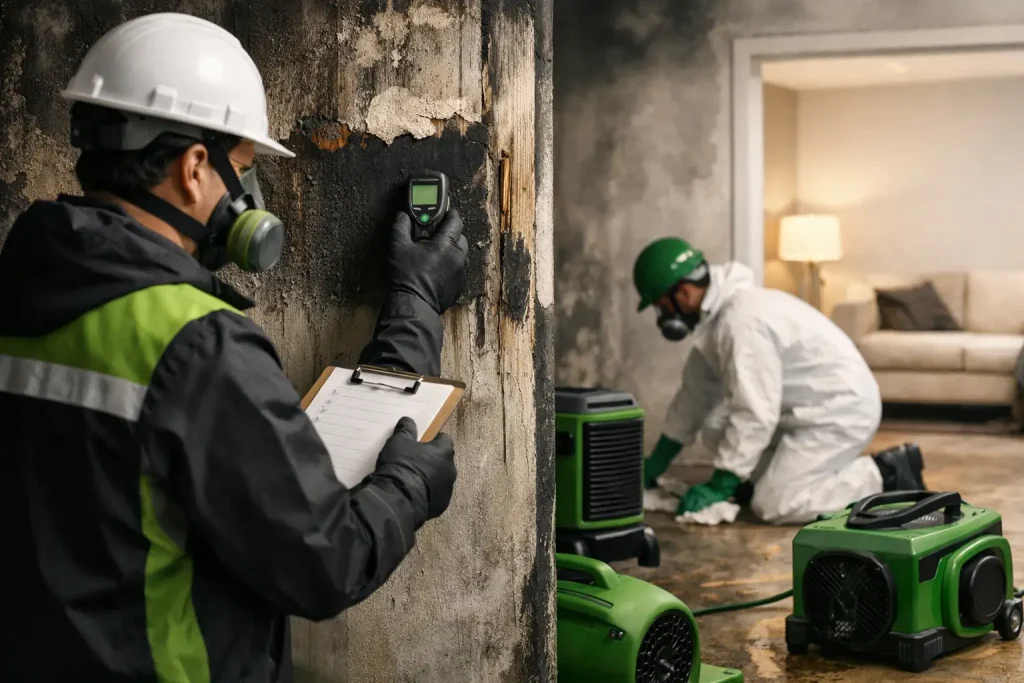
Start with safety. If the fire department or another authority has not cleared the property for re-entry, stay out. Structural damage, compromised wiring, and hidden hot spots can still be present after a fire. If you do enter the building, wear appropriate personal protective equipment and limit exposure, especially in areas with heavy soot or poor ventilation.
Once the property is safe to access, document conditions before moving or cleaning anything. Take clear photos and video of each room, including ceilings, walls, floors, fixtures, contents, appliances, and affected exterior areas. This step matters for restoration planning and can also support the insurance process by creating a record of pre-cleanup conditions.
Next, stabilize the property. If windows, doors, or roofing were damaged, temporary board-up or tarping may be needed to prevent weather intrusion and unauthorized access. Fire damage often turns into water damage quickly if the structure is left exposed or if suppression water is still trapped inside building materials.
Then focus on reducing ongoing contamination. Shut down the HVAC system unless a qualified restoration team has advised otherwise. Smoke and soot can travel through ductwork and settle in unaffected areas, expanding the scope of cleanup. If the system was running during the fire, it should be inspected as part of the restoration process.
What not to do during smoke cleanup
One of the most common mistakes is trying to clean soot with household sprays or water right away. On many surfaces, that can smear residue deeper into the material and make staining worse. Painted walls, finished wood, stone, metal, and synthetic materials all react differently. A method that seems harmless on one surface can permanently damage another.
It is also a mistake to use fans or the HVAC system without a plan. Air movement can spread soot particles into rooms that were not originally affected. The same goes for laundering smoke-damaged fabrics without proper pre-treatment. Odor and residue can set in further if cleaning is done too early or with the wrong products.
Electrical systems need caution as well. Do not turn lights, outlets, or equipment back on if there is any sign of heat, water exposure, or soot contamination around wiring or panels. Fire restoration is one of those areas where speed matters, but the wrong fast decision can increase cost and risk.
Room-by-room priorities after smoke damage
The kitchen often requires special attention, even in a small fire event. Smoke residue can settle inside cabinets, around food preparation areas, and on hidden surfaces near appliances. Any exposed food, medicine, or consumable goods should be evaluated carefully and often discarded if contamination is likely.
Living areas tend to hold odor longer than people expect because upholstery, drapes, rugs, and decorative materials absorb smoke quickly. Even if walls look light in color and mostly intact, odor can remain trapped in porous contents. This is where surface cleaning alone usually falls short.
Bedrooms and closets can be deceptive. Clothing, bedding, and stored items may carry smoke residue even if the room was not near the source of the fire. If closet doors were open or the HVAC system circulated smoke, soft contents should be inspected and separated for cleaning or pack-out.
Mechanical rooms, attics, and crawl spaces should not be ignored. Smoke moves upward and outward, and hidden building cavities can retain odor long after visible cleanup is complete. In larger losses, detailed inspection helps determine whether demolition, sealing, or specialty cleaning is the right next step.
A practical smoke damage cleanup checklist for property owners
A strong smoke damage cleanup checklist includes both immediate action and restraint. You want to move quickly, but only in ways that protect the structure and support proper restoration.
- Confirm the property is safe to enter.
- Photograph and video all affected areas before cleanup.
- Secure openings with board-up or temporary protection if needed.
- Shut down HVAC operation until inspection is completed.
- Separate salvageable items from clearly unsalvageable contents.
- Avoid wiping soot with standard household cleaners.
- Do not run electronics or electrical systems without professional review.
- Remove pets, children, and sensitive occupants from affected spaces.
- Contact a qualified fire and smoke restoration contractor.
- Keep a written record of damage, emergency work, and conversations related to the loss.
That checklist is a starting point, not the entire restoration plan. The right scope depends on the source of the fire, how far smoke traveled, what materials were affected, and whether water or suppression chemicals are also part of the loss.
Cleaning smoke damage the right way
Professional smoke cleanup usually starts with dry removal methods. Specialized HEPA vacuuming, dry sponges, and controlled debris removal are often used before wet cleaning begins. This helps lift loose soot without grinding it into the surface.
After that, technicians match the cleaning method to the material. Some hard surfaces can be wet-cleaned with restoration products designed to neutralize residue. Others may need solvent-based cleaning, abrasive removal, or sealing after cleaning. Contents such as clothing, textiles, and electronics typically require separate handling and should not be treated like standard household laundry or routine maintenance items.
Odor removal is its own process. If smoke odor remains after visible residue is gone, it usually means particles are still present in materials or hidden cavities. Thermal fogging, hydroxyl treatment, HEPA air scrubbing, and source removal may all be part of the solution. The right method depends on the type of fire and what absorbed the odor.
When cleanup becomes restoration
There is a point where smoke cleanup shifts into broader repair work. If drywall is saturated with odor, insulation is contaminated, cabinets are heat-damaged, or paint finishes are permanently stained, cleaning alone may not restore the property to pre-loss condition. That is when selective demolition, reconstruction, repainting, flooring replacement, and systems evaluation become necessary.
This is also where organized documentation matters. A contractor that understands both restoration protocols and insurance-related project management can help keep the scope clear. Moisture readings, photos, itemized damage notes, and room-by-room records are useful not only for repair planning but also for showing why certain materials can be cleaned while others need replacement.
For commercial properties and multifamily buildings, the process can be more complex. Occupancy concerns, shared HVAC systems, tenant communication, and business interruption all affect the restoration approach. In those cases, fast containment and clear project coordination are just as important as the cleaning itself.
How to know when professional help is necessary
If the fire affected more than a very small, contained area, professional assessment is the safer path. Heavy odor, visible soot on ceilings or inside cabinets, HVAC involvement, electrical concerns, or water from suppression efforts are all signs that the damage goes beyond a simple cleanup job.
The same is true if the property owner is trying to protect claim documentation, contents value, or long-term indoor air quality. Smoke damage has a way of showing up later through staining, corrosion, and recurring odor when it was not addressed fully the first time. A fast response is important, but a controlled response is what protects the building.
Apollo Construction & Renovation Corp. approaches smoke and fire losses with that mindset – stabilize first, document thoroughly, clean according to industry standards, and move efficiently into repair when needed. That kind of structure makes a stressful loss easier to manage.
If you are standing in a smoke-damaged property and wondering where to start, start by slowing the spread, protecting the evidence of damage, and bringing in the right restoration team before a cleanup mistake turns a recoverable loss into a larger repair.
Every property and insurance policy is different. Contact Apollo to discuss the work your property may need; your insurer determines coverage.