
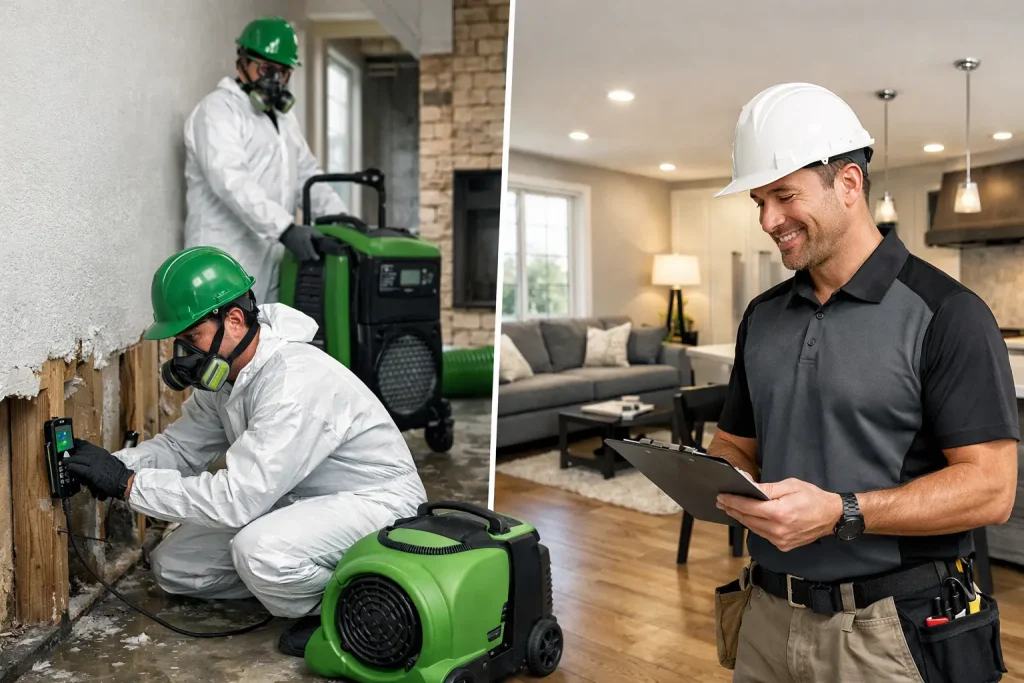
A burst pipe can soak insulation and framing before it is visible from the room below. Wind-driven rain can enter through a compromised roof and travel far beyond the original leak. After a fire, smoke residue and water used to control the loss can affect areas that appear untouched. In these moments, a Maryland emergency restoration contractor is not simply there to repair what you can see. The right team helps stabilize the property, document conditions, limit additional damage, and organize the path back to a safe, functional space.
For homeowners, property managers, and commercial owners, the first hours after a loss often shape the scope of the restoration. Fast action matters, but so does organized action. Rushing into demolition without identifying moisture, contamination, structural concerns, or insurance documentation needs can create avoidable complications later.
What Emergency Restoration Should Accomplish
Emergency restoration begins with protection. The immediate goal is to stop or control the source of damage when it is safe to do so, protect unaffected areas, and prevent conditions from worsening. For a water loss, that may mean extracting standing water, setting containment, mapping moisture, and placing drying equipment based on the materials and affected areas. For storm damage, it may involve emergency roof protection, temporary board-up measures, and interior water mitigation.
A professional response also establishes a clear record of what happened. Detailed photos, 360-degree imaging, thermal imaging, moisture readings, equipment logs, and written daily updates can help create an organized project file. That documentation is valuable for property owners, managers, adjusters, and everyone coordinating the recovery.
The work should be guided by the condition of the building, not by assumptions. Drywall may look dry while insulation or framing behind it remains wet. A small roof opening may have caused widespread ceiling or wall damage. Smoke can move through HVAC pathways and settle on contents in rooms distant from the fire source. Thorough inspection protects against incomplete repairs that may surface as a larger problem later.
The First Steps After Property Damage
Before a restoration crew arrives, protect people first. If there is an active fire risk, electrical hazard, unstable structure, suspected sewage contamination, or a gas-related concern, leave the affected area and contact the appropriate emergency service or utility provider. Do not enter standing water where electricity may be present, and do not attempt to climb onto a damaged roof.
Once conditions are safe, a property owner can take several sensible steps:
- Stop the water source if it can be done safely, such as shutting off a fixture valve or the main water supply.
- Move valuables and dry contents away from the affected area when there is no safety risk.
- Take basic photos or video of visible damage before cleanup begins, without delaying urgent mitigation.
- Contact your insurance carrier to report the loss and contact a qualified restoration contractor for an inspection and mitigation plan.
Avoid using household fans as a substitute for professional drying after a significant water loss. Improper airflow can spread moisture or contaminants, while hidden materials remain wet. Likewise, avoid removing large areas of building material before the affected conditions have been documented and evaluated. Some materials require controlled handling, particularly when contamination, mold growth, or older building materials are involved.
How a Maryland Emergency Restoration Contractor Evaluates the Loss
A dependable Maryland emergency restoration contractor should assess more than the obvious damage. The inspection process commonly begins by identifying the source, determining whether it has been stopped, and evaluating the category and extent of water, smoke, storm, or other impacts. The team should also look for conditions that affect safety, such as weakened materials, electrical exposure, roof instability, or environmental concerns.
For water damage, moisture mapping is essential. Technicians use specialized meters and thermal imaging to identify moisture in walls, flooring systems, ceilings, cabinetry, and other concealed areas. These findings help determine what can be dried in place, what requires removal, and where equipment should be positioned. Drying is monitored over time, not treated as a one-time equipment drop-off.
Fire and smoke losses require a different approach. The restoration plan may include securing the property, addressing water from fire suppression efforts, assessing smoke migration, cleaning structural surfaces and contents, and identifying materials that cannot be restored. Odor control should follow appropriate cleaning and removal steps rather than masking the problem with fragrance.
After storm events, roof and exterior inspection is particularly important. Missing shingles, lifted flashing, damaged siding, clogged gutters, and compromised penetrations can continue allowing water into the property. HAAG-certified inspection expertise can add value when a loss involves roofing conditions and a careful assessment of damage is needed.
Mitigation and Reconstruction Are Different Phases
Property owners often hear the terms mitigation and reconstruction used together, but they are distinct phases of recovery. Mitigation addresses the immediate conditions that can cause ongoing damage. It may include water extraction, structural drying, controlled demolition of unsalvageable materials, cleaning, containment, temporary protection, and pack-out services for affected contents.
Reconstruction returns the building to its pre-loss function and appearance, subject to the approved scope of work. This can include framing, insulation, drywall, electrical work, plumbing repairs, flooring, painting, cabinetry, roofing, siding, and other building repairs. Depending on the loss, reconstruction may also be an opportunity to make practical upgrades that improve durability or fit the owner’s current needs. Those upgrades should be discussed clearly because insurance coverage, deductibles, code requirements, and elective improvements can affect the final project cost.
Working with one capable contractor across both phases can reduce handoffs and confusion. It also allows the reconstruction plan to reflect what was discovered during mitigation. Still, the contractor should communicate where the emergency scope ends, what repairs are recommended, and which decisions require approval from the owner or insurer.
Documentation Supports a More Organized Claim Process
Insurance claims can feel complicated while a property is already disrupted. A restoration contractor does not decide coverage, but detailed reporting can support a more efficient conversation with the carrier and adjuster. Accurate documentation helps explain the cause and extent of damage, the actions taken to prevent further loss, equipment used during mitigation, and the repairs necessary to restore affected areas.
Look for a team that communicates in plain language while keeping records thorough enough for insurance professionals. You should understand what work is underway, why it is needed, what areas are affected, and what comes next. Clear updates are especially important for property managers and commercial clients who must coordinate tenants, vendors, operations, and ownership groups.
No two claims are identical. Coverage can depend on the policy, cause of loss, maintenance history, limits, exclusions, and the details of the event. A contractor should avoid making promises about claim outcomes. The better standard is transparent scope development, complete documentation, and professional cooperation with the parties involved.
What to Look for Before You Authorize Work
Emergency conditions create pressure, but property owners should still expect professionalism. Confirm that the contractor is licensed and insured for the work being performed. Ask how the team documents moisture, damage conditions, and progress. Find out whether technicians follow IICRC-based restoration protocols and how safety, containment, and environmental concerns are addressed.
Communication is another practical measure of quality. You should know who is managing the project, how updates will be provided, and how the transition from mitigation to reconstruction will be handled. For commercial properties and multifamily communities, ask how the contractor will coordinate access, protect occupants, and minimize disruption where possible.
Apollo Construction & Renovation Corp. provides emergency mitigation, restoration, environmental services, and reconstruction for residential and commercial losses across Maryland and the Mid-Atlantic region. Its approach combines hands-on construction expertise with organized insurance restoration documentation, helping clients move from emergency stabilization to completed repairs with one accountable team.
Fast Response Should Still Be Methodical
The best emergency restoration work is urgent without being careless. It protects the property immediately, identifies hidden conditions, documents the loss carefully, and creates a practical plan for rebuilding. Whether the issue is water intrusion, a roof failure, fire and smoke damage, storm damage, or a mold-related concern, the right contractor brings order to a situation that can otherwise become more expensive and disruptive.
When damage occurs, focus first on safety and stopping the source when possible. Then choose a restoration partner prepared to assess the full impact, communicate clearly, and manage the work with the care your property deserves.
Every property and insurance policy is different. Contact Apollo to discuss the work your property may need; your insurer determines coverage.